
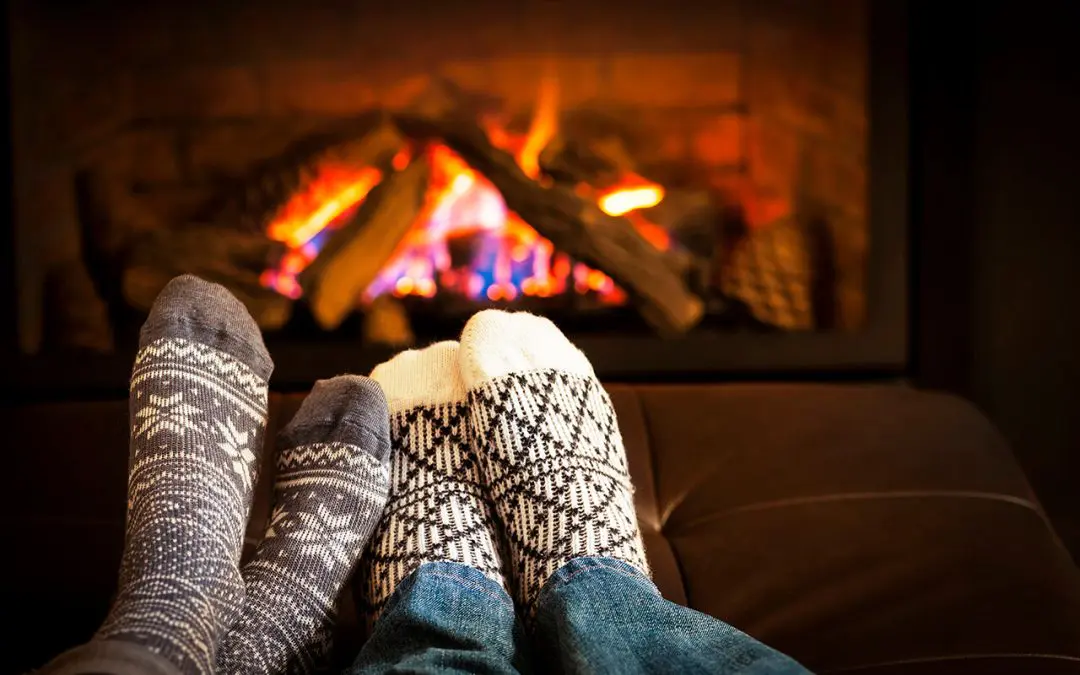
Fireplaces create a warm, inviting atmosphere, but they require attention and responsibility. Prioritizing fireplace safety guarantees that you enjoy the comfort of a glowing fire without the risk of preventable hazards. From maintaining proper airflow to managing the buildup of soot and creosote, taking fireplace safety seriously protects both your home and your family. Understanding the role your fireplace plays in your home’s heating system helps you appreciate why regular maintenance is critical.
Key Fireplace Safety Practices for Daily Use
When you light a fire, simple habits make all the difference in maintaining fireplace safety. Always start with dry, seasoned wood that burns cleaner and produces less buildup. Damp or treated wood may release harmful chemicals or excess smoke into your home, compromising air quality and increasing the risk of chimney blockages. Before lighting a fire, check that the damper is fully open to allow smoke to escape properly. Once the fire is burning, never leave it unattended, even for a short period. Staying mindful of these everyday practices strengthens your commitment to fireplace safety and helps prevent avoidable accidents.
The Role of Routine Maintenance
Maintenance is one of the most critical aspects of fireplace safety. Over time, soot and creosote accumulate inside the chimney. Creosote is highly flammable, and when it builds up, it significantly increases the risk of a chimney fire. Scheduling annual chimney inspections and cleanings guarantees that debris, nests, and buildup are cleared before they cause problems. It also gives you the chance to identify cracks, loose bricks, or other structural issues early. When your fireplace and chimney are well-maintained, you enjoy cleaner burns, better airflow, and greater confidence in safety.
Improving Indoor Air Quality
Fireplaces naturally produce smoke, heat, and airborne particles; however, proper ventilation keeps these pollutants from entering your living space. Making sure your home has adequate airflow while the fireplace is in use prevents smoke from lingering indoors. It’s helpful to keep the area around your fireplace clear of materials that may release fumes or catch fire. Maintaining good indoor air quality supports both the health of everyone in the home and your ongoing approach to fireplace safety.
Enhancing Confidence with Fireplace Safety Measures
Fireplace safety is not simply about preventing hazards; it also enhances your comfort and peace of mind. A well-maintained fireplace burns more efficiently, delivering steady warmth without excessive smoke or sparks. Knowing that your system is in good condition allows you to relax and enjoy the experience without worrying about underlying issues. Whether you’re spending time alone with a book, hosting family, or gathering with friends, these fireplace safety practices make the experience more enjoyable for everyone involved.
The Bottom Line: Fireplace Safety Protects Your Home
A fireplace adds beauty and warmth to your home, but only when used responsibly. By staying proactive with maintenance, practicing safe fire habits, and monitoring airflow and air quality, you will ensure that your fireplace remains an asset rather than a hazard. This will give you the freedom to enjoy the comfort of a crackling fire throughout the colder months, knowing your home is protected and your heating system is functioning at its best.
Advocate Property Inspections offers professional home inspection services to Maryland homeowners and homebuyers. Contact us to request an inspection today.