
Water usage spikes during summer, and for good reason. Lawns need irrigation, gardens need regular watering, and the general demands of warm-weather living push household consumption higher across the board. But with a little intentionality, conserving water during the hottest months of the year doesn’t have to mean sacrificing. A few smart adjustments to how and when you use water could make a meaningful difference in both your water bill and your environmental footprint without requiring major lifestyle changes.
Simple Ways to Start Conserving Water at Home
The easiest place to start is with the habits you already have. Fixing leaky faucets, running the dishwasher only when full, taking shorter showers, and turning off the tap while brushing teeth are all small changes that add up to significant savings over a full summer season. Inside the home, washing full loads of laundry rather than partial ones and upgrading to water-efficient fixtures where possible reduces consumption without any noticeable impact on daily comfort. The small leaks and inefficiencies that seem minor in isolation compound quickly over the course of a hot summer when overall usage is already elevated.
Conserving Water in the Yard and Garden
Outdoor water use accounts for a significant portion of household consumption during summer, and it’s also where the greatest savings are typically found. Watering deeply and infrequently rather than lightly every day encourages deeper root growth and reduces overall water demand. Watering in the early morning minimizes evaporation loss and ensures plants absorb moisture efficiently before the heat of the day sets in. Grouping plants with similar water needs together, choosing drought-tolerant and native species, and applying a generous layer of mulch to garden beds all reduce how much supplemental watering your yard requires throughout the season.
Smarter Irrigation Makes Conserving Water Easier
Upgrading your irrigation approach is one of the highest-impact changes a homeowner can make for summer water conservation. Drip irrigation and soaker hose systems deliver water directly to the root zone where plants need it most, eliminating the waste associated with overhead sprinklers that lose significant moisture to evaporation and wind drift. Installing a smart irrigation controller that adjusts watering schedules based on weather conditions and soil moisture prevents overwatering on days when rain has already done the job. Even simple timer-based systems ensure water is delivered at the optimal time of day without requiring manual oversight.
Harvest Rainwater to Reduce Summer Demand
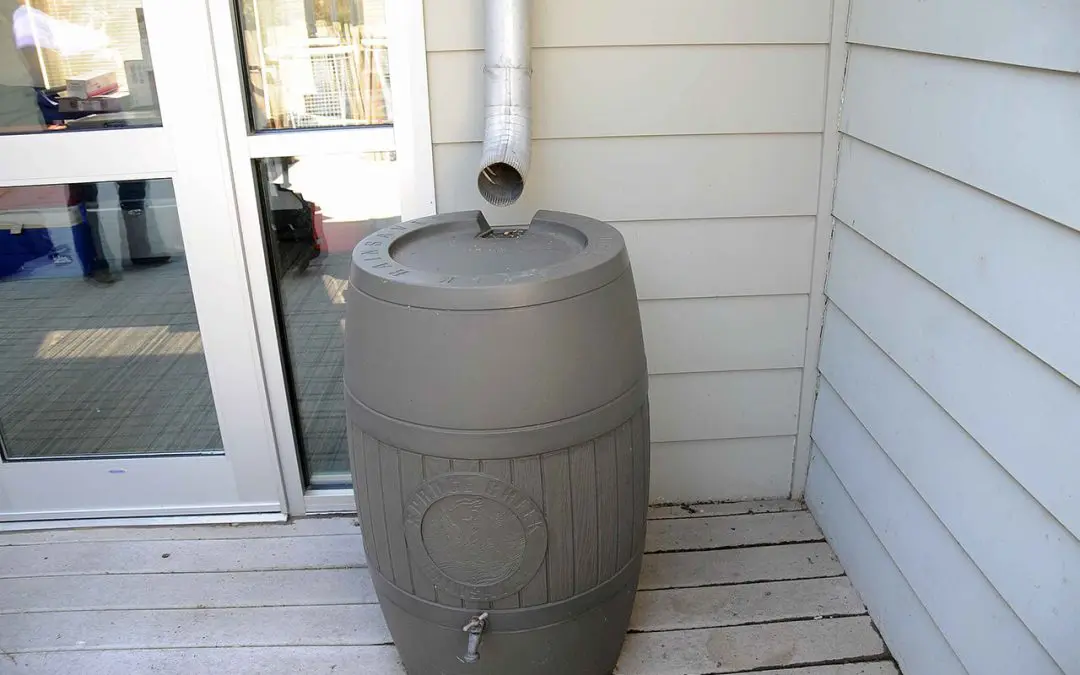
Collecting and reusing rainwater is one of the most effective and low-cost strategies available for reducing summer water consumption. A simple rain barrel connected to a downspout can capture hundreds of gallons of water from a single rainfall event, water that can then be used to irrigate garden beds, fill watering cans, and top off outdoor water features without drawing from the municipal supply. In regions where summer rainfall is occasional rather than regular, a rain barrel provides a meaningful buffer that reduces reliance on treated tap water for outdoor use.
More Benefits Than Just Your Water Bill
The benefits of reducing summer water consumption extend well beyond the monthly savings on your utility statement. Lower household water demand reduces the strain on local water supplies during the periods of peak stress when reservoirs and aquifers are most depleted. Efficient watering practices also tend to produce healthier plants and lawns. Deep, infrequent watering builds stronger root systems than frequent shallow watering, making your yard more resilient to drought and less dependent on constant irrigation. Conserving water is one of those rare habits where the right choice for the environment and the right choice for your home and wallet are the same thing.
Advocate Property Inspections offers professional home inspection services to Maryland homeowners and homebuyers. Contact us to request an inspection today.