
Choosing the right driveway material is one of those home decisions that feels straightforward until you start comparing options, and then the variables multiply quickly. Budget, climate, maintenance tolerance, curb appeal goals, and the length and grade of the driveway all affect which driveway material makes the most sense for a specific property. The good news is that there’s no single correct answer; there’s a best answer for each homeowner’s specific combination of priorities, and understanding what each material actually delivers makes that answer clearer.
Asphalt: The Practical Driveway Material for Most Climates
Asphalt is the most widely used residential driveway material in North America for straightforward reasons: it’s cost-effective, durable, and handles freeze-thaw cycles better than most alternatives. A properly installed asphalt driveway, with an adequate compacted base, lasts 20 to 30 years with routine maintenance. Sealcoating every three to five years protects the surface from UV degradation and water infiltration; crack filling as needed prevents small fractures from becoming large ones. The primary limitation of asphalt as a driveway material is aesthetic; it has one look, that look is functional rather than distinctive, and it’s not the choice for homeowners whose primary goal is visual impact. It’s also susceptible to softening in extreme heat, which matters in hot-climate markets where summer temperatures regularly push past 100 degrees.
Concrete: The Premium Driveway Material That Lasts
Concrete is the premium standard driveway material for residential applications, more expensive upfront than asphalt, but with a longer service life and significantly more design flexibility. A quality concrete installation lasts 30 to 50 years, requires no sealing unless stamped or decorative finishes are used, and holds up well in both hot and cold climates when properly installed with adequate control joints. The design range available in concrete as a driveway material is significantly broader than asphalt; stamped patterns, exposed aggregate, colored finishes, and broom-finished surfaces all produce different visual outcomes from the same base material. For homeowners whose driveway is a visible element of their curb appeal, concrete’s flexibility makes it a more considered choice. The trade-off is cost, concrete typically runs two to three times the installed cost of asphalt, and concrete cracks are more visible and harder to repair cleanly than asphalt cracks.
Gravel and Pavers: Material Alternatives Worth Considering
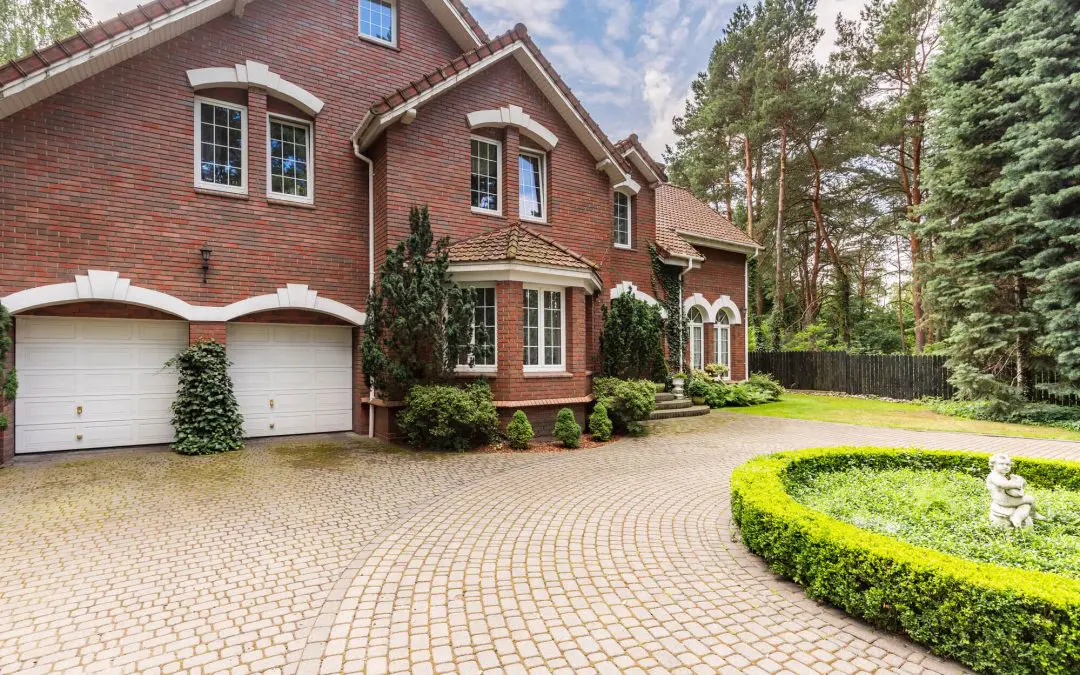
Gravel is the least expensive driveway material option and the most permeable, water drains through rather than running off, which matters in areas with drainage concerns or stormwater requirements. It requires periodic regrading and replenishment as material shifts, and it’s not appropriate for steep grades where migration becomes a maintenance problem. Concrete or brick pavers are the highest-end driveway material category, individual units set over a compacted base that allow for section-specific repair without disturbing the whole surface. A cracked paver is replaced individually rather than patched, keeping the surface looking uniform over decades. The installed cost is the highest of any driveway material option, but the combination of durability, repairability, and visual quality makes pavers the preferred choice for homeowners prioritizing long-term appearance and curb appeal.
Advocate Property Inspections offers professional home inspection services to Maryland homeowners and homebuyers. Contact us to request an inspection today.