
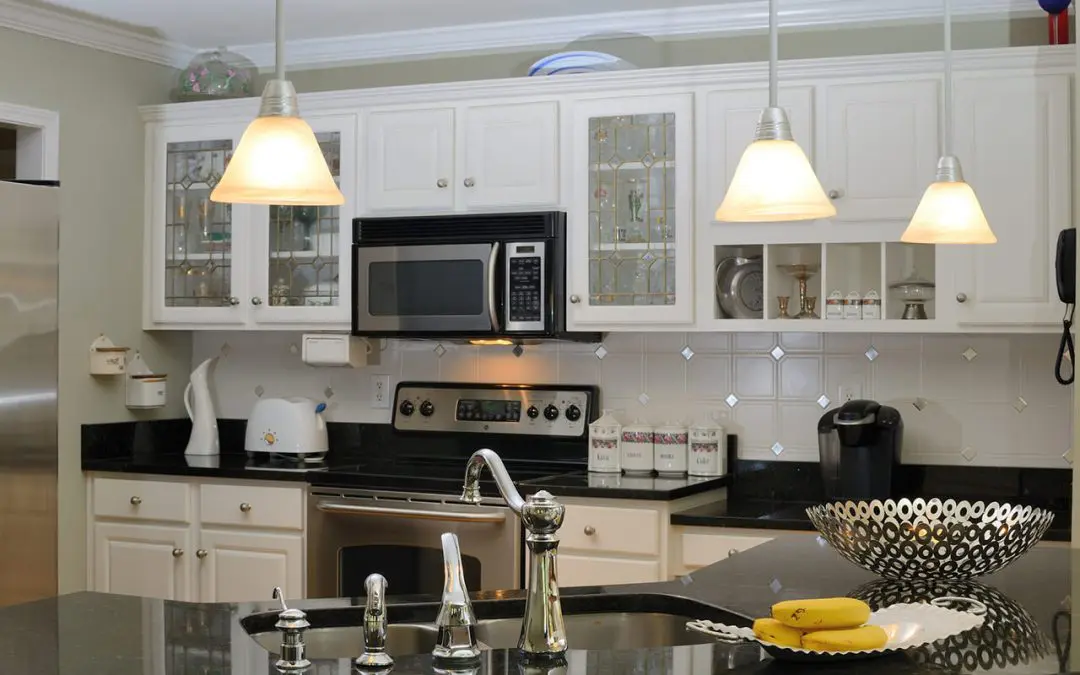
Lighting upgrades can completely change the way a home looks, feels, and functions. Whether improving energy efficiency, enhancing ambiance, or increasing property value, the right lighting choices make a noticeable difference. Many homeowners overlook lighting as a design element, but with a few strategic changes, it becomes one of the most impactful upgrades in any space.
Why Lighting Upgrades Matter
Lighting does far more than simply brighten a room. It influences mood, improves visibility, and even affect how colors and textures appear. Outdated fixtures or inefficient bulbs can make spaces feel dull and increase energy costs over time. Modern lighting solutions, on the other hand, offer better performance and longevity while consuming less electricity. In addition to aesthetics and efficiency, lighting plays a key role in safety and functionality. Well-lit entryways, kitchens, and outdoor areas reduce risks and make everyday tasks easier. Investing in updated lighting is a practical decision that delivers both immediate and long-term benefits.
Types of Lighting Upgrades to Consider
There are several ways to approach lighting upgrades depending on the needs of the home. Ambient lighting provides general illumination and sets the overall tone of a room. Task lighting focuses on specific activities like cooking, reading, or working, while accent lighting highlights architectural features or décor. Switching to LED technology is one of the most popular upgrades. LED bulbs last significantly longer than traditional options and use a fraction of the energy. Smart lighting systems are also gaining popularity, allowing homeowners to control brightness, color, and scheduling through mobile apps or voice commands. Replacing outdated fixtures with modern designs will instantly refresh a room. From sleek recessed lighting to statement pendant lights, fixture upgrades can serve both functional and decorative purposes.
Planning Lighting Upgrades for Maximum Impact
Effective lighting upgrades require thoughtful planning. It is important to consider how each room is used and what kind of lighting will best support those activities. Layering different types of lighting creates depth and flexibility, allowing spaces to adapt to different needs throughout the day. Placement is just as important as the type of light. For example, under-cabinet lighting in kitchens improves visibility for food preparation, while dimmable lights in living areas create a cozy atmosphere in the evenings. Outdoor lighting should focus on pathways, entrances, and key landscape features to enhance both safety and curb appeal. Budget is another factor to keep in mind. While some upgrades, like changing bulbs, are relatively inexpensive, others may require professional installation.
Energy Efficiency and Long-Term Value
One of the biggest advantages of lighting upgrades is improved energy efficiency. Modern lighting solutions consume less power, which translates to lower utility bills. Over time, these savings offset the initial cost of installation. Energy-efficient lighting also contributes to a more sustainable home. Reducing energy consumption lowers environmental impact while maintaining high-quality illumination. For homeowners considering resale, upgraded lighting could make a property more attractive to potential buyers. Ultimately, lighting upgrades are a simple yet powerful way to enhance comfort, functionality, and style. With the right approach, they will transform any home into a brighter, more efficient, and more inviting space.
Advocate Property Inspections offers professional home inspection services to Maryland homeowners and homebuyers. Contact us to request an inspection today.